What are Some Celebrities with Personal Brands?
Mar 02, 2026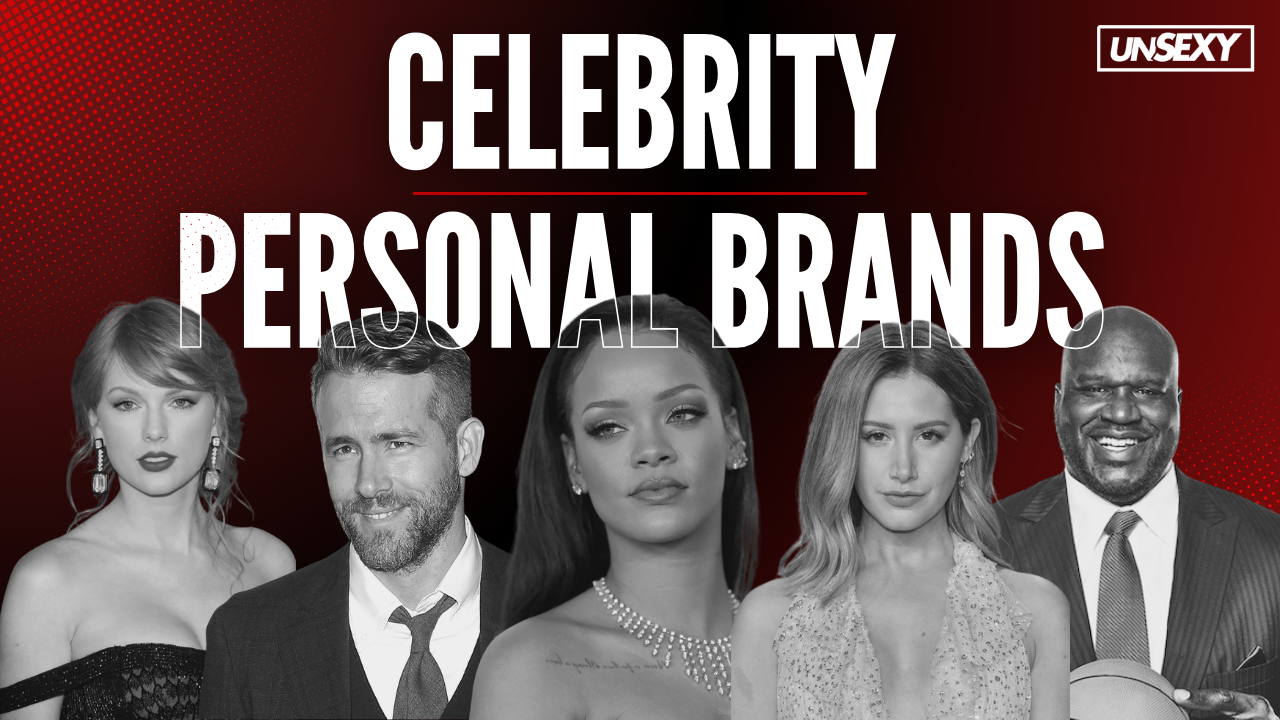
The celebrities with the strongest personal brands, Oprah Winfrey, Dwayne Johnson, Rihanna, and Gary Vaynerchuk, built recognizable, monetizable identities by repeating a clear message to a defined audience over many years. Their brands are systems: consistent positioning, audience trust, and revenue streams that extend well beyond the original skill.
That system works at any scale. The mechanics behind Rihanna's $1.4 billion Fenty Beauty valuation are the same ones a $400K service business can use. The audience is smaller. The framework is identical.
What Actually Makes a Personal Brand "Strong"?
Strong doesn't mean famous. It doesn't mean millions of followers.
A strong personal brand is one where the audience's trust transfers to whatever that person does next, a new product, a new business, new category. That's the real test.
The celebrities on this list pass it. Here's what they have in common before we get into names:
- A defined audience they've served consistently for years
- A core message that survives format changes (book, podcast, product line, same theme)
- Extensions that feel like logical next steps, not random pivots
- Owned channels and direct relationships, not just platform reach
The Celebrities with the Strongest Personal Brands
Dwayne Johnson

The Rock went from WWE to Hollywood to tequila (Teremana) to fitness apps to a production company. None of those feels like a stretch because every platform delivers the same personality: hard work, humor, family, consistency. He posts daily. The tone never wavers.
Teremana sold over 400,000 cases in its first year. That didn't happen because Johnson has a big Instagram. It happened because his audience trusted him before he asked them to buy anything.
What to copy: Consistency of personality across every platform matters more than polish. Show up the same way every time.
Rihanna / Fenty Beauty

Fenty didn't succeed because Rihanna is famous. It succeeded because the brand had a real position: 40 foundation shades at launch, when the industry standard was far fewer. That's a contrarian stance backed by a real gap in the market. Fenty Beauty reportedly generated $100 million in sales in its first 40 days, per LVMH reporting.
What to copy: A personal brand needs a position, not just a vibe. "I do great work" isn't a brand. "I'm the only contractor in this city who guarantees a written scope before taking a deposit" is.
Shaquille O'Neal

Shaquille O’Neal retired from the NBA in 2011. His brand didn't. He holds ownership stakes in over 150 businesses, including car washes, fitness clubs, Papa John's franchises, and a stake in Google before its IPO. His net worth is estimated at $400 million.
What makes Shaq's brand work is that he never positioned himself as a retired athlete. He leaned into being a businessman, an entertainer, and a personality all at once. The humor, the self-awareness, the Icy Hot commercials, it's all the same guy. The consistency made every new venture feel credible.
What to copy: Your skills are the starting point, not the ceiling. A strong personal brand gives you the credibility to move into adjacent businesses without having to start from scratch. If you want to understand how to build multiple revenue streams from a single brand identity, Shaq's post-NBA career is one of the clearest playbooks available.
Ryan Reynolds
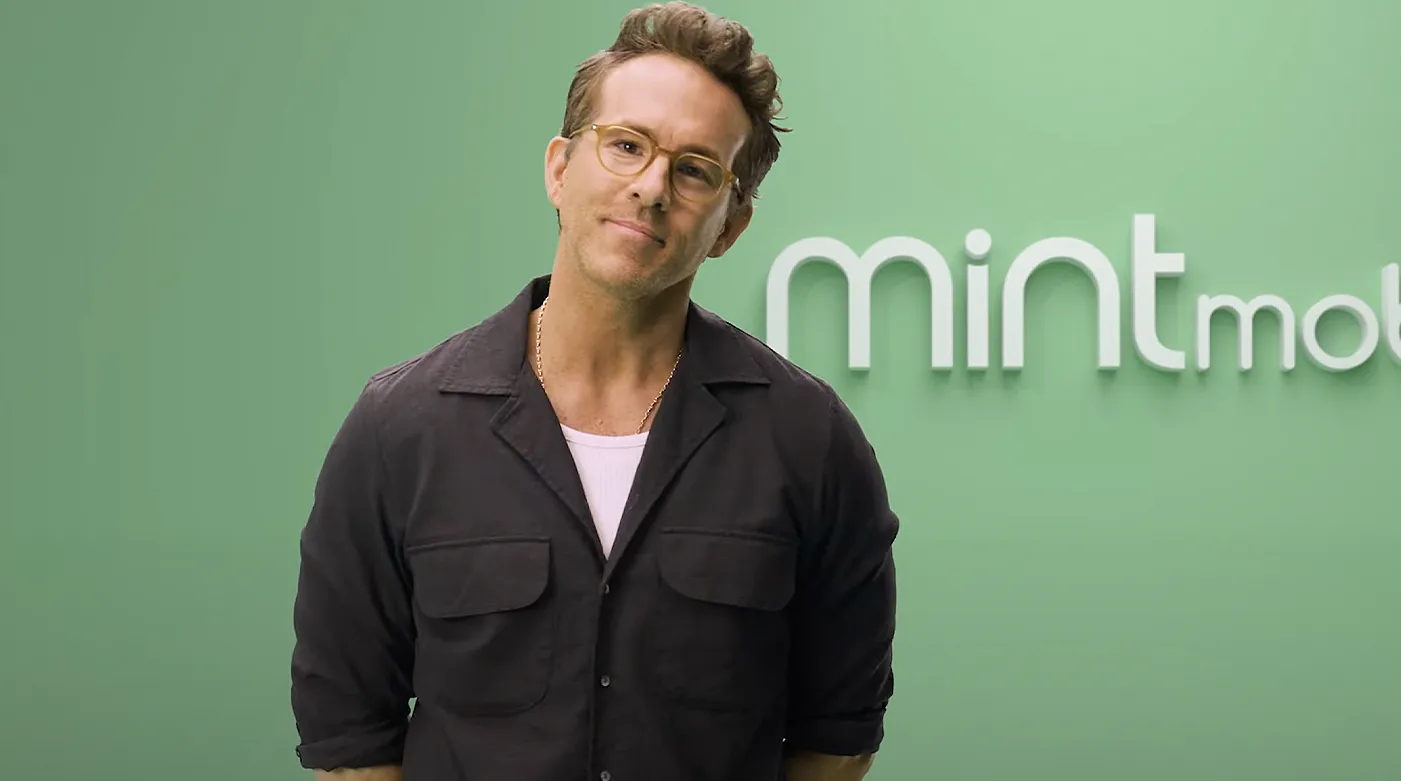
Most people think of Ryan Reynolds as an actor. At this point, that's probably his third most interesting job. He co-founded Aviation Gin (sold to Diageo for up to $610 million in 2020), acquired Mint Mobile (sold to T-Mobile for $1.35 billion in 2023), and runs Maximum Effort, a marketing company built around his own humor style.
What's surprising: he didn't use his fame to slap his name on products. He built actual ownership stakes and ran the marketing himself. The self-deprecating, fast-moving ad style is a repeatable content system that drives real revenue.
What to copy: Reynolds treats his personal brand like a media company. Every piece of content serves a business, not just a follower count.
Ashley Tisdale
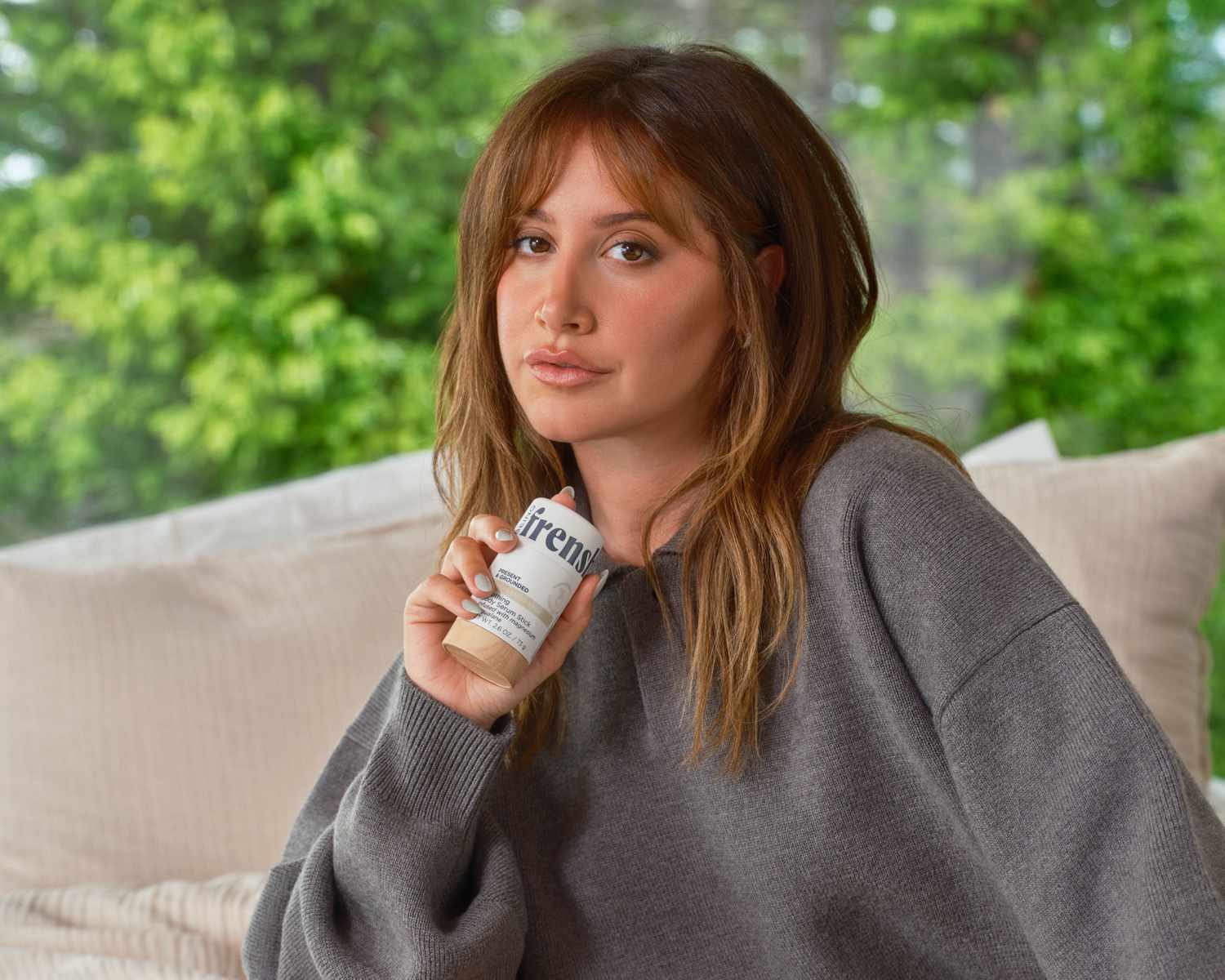
Most people know Tisdale from High School Musical. What they don't know is that she quietly built a wellness and lifestyle brand, Frenshe, that operates as a legitimate content and product platform, not a celebrity vanity project.
Frenshe launched in 2020 and covers mental health, clean beauty, and intentional living. Tisdale has been public about her anxiety, her decision to have her breast implants removed, and her approach to slowing down, topics that weren't exactly safe for a Disney-era celebrity to discuss openly. That honesty became the brand's foundation.
What makes it surprising is the positioning. Tisdale didn't chase the obvious play of perfume line, fast fashion collab, reality TV. She built something with a defined point of view and an audience that trusts her because she said uncomfortable things first.
What to copy: Vulnerability, when it's real and relevant, builds faster than polish. Tisdale's audience follows Frenshe because she showed up honestly before she had anything to sell. That's the sequence most business owners get backwards — they build the product first and try to build trust later.
Taylor Swift

Swift is the clearest example of a personal brand that evolves without losing itself. Each "era" is a rebrand, a new aesthetic, a new sound, a new narrative, but the core identity stays intact. She also owns her narrative publicly, including the very public battle to reclaim her masters, which strengthened rather than damaged her brand with her core audience.
What to copy: You can evolve without abandoning what got you here. Rebranding doesn't mean starting over.
Paul Newman
An actor whose brand became more valuable after he stopped acting, and one of the most unusual brand stories in American business history. Newman's Own started as a joke in 1982 (bottled salad dressing gifted to friends) and became a full consumer goods company. Newman donated 100% of profits to charity, which crossed $600 million total before his death in 2008.
The brand survived him. Newman's Own still generates tens of millions annually.
What to copy: A clear values position, not just what you sell but why, can outlast you. That's rare and worth building toward.
Gary Vaynerchuk
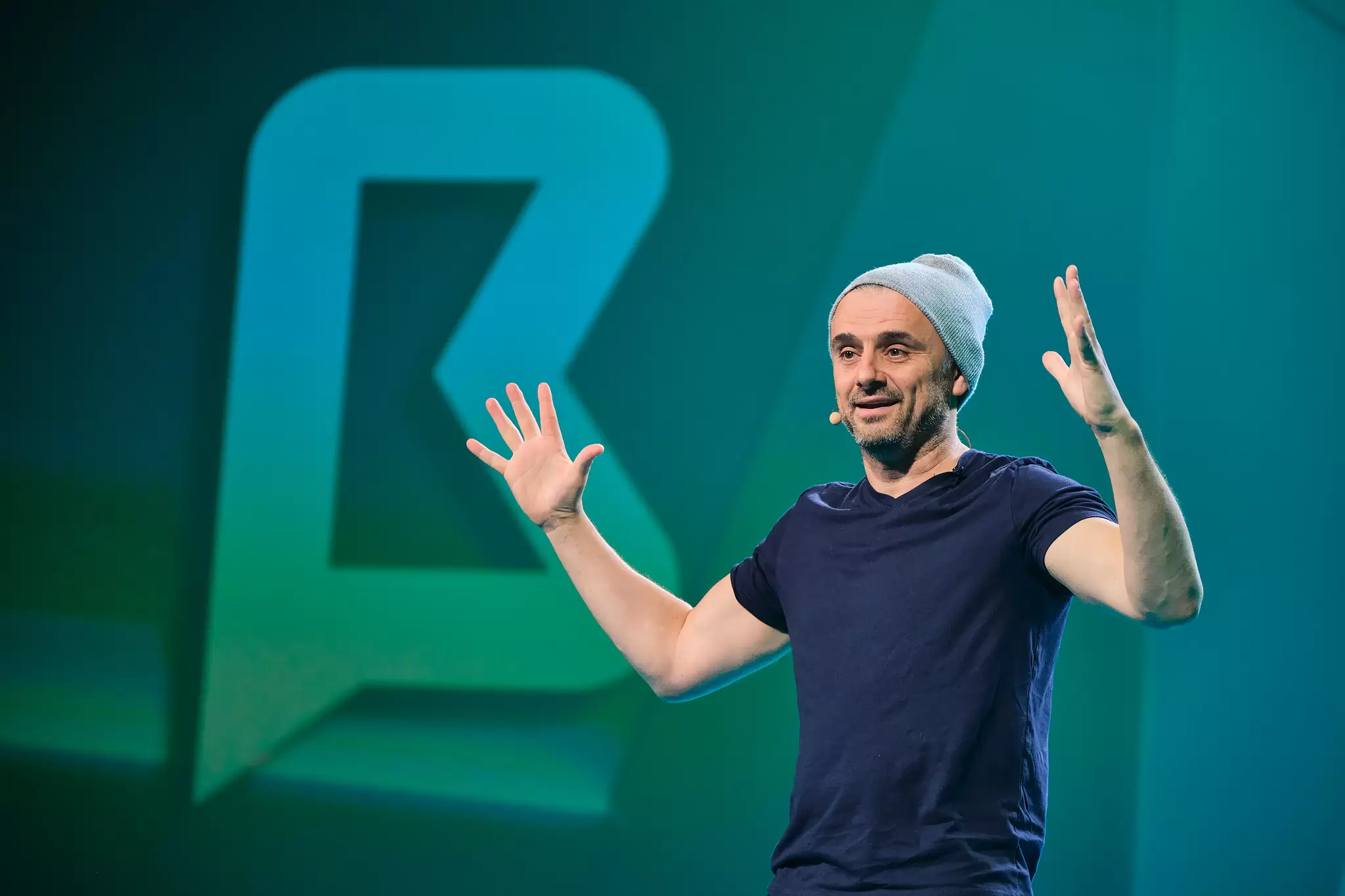
Gary Vee started documenting his work on YouTube in 2006 with Wine Library TV—before most people knew what a personal brand was. He never changed his core message: pay attention to where attention is going, play the long game, document don't create. VaynerMedia now runs hundreds of millions in billings annually. VeeFriends built a separate business on top of that trust.
What to copy: Document the work before you have an audience. The people who benefit most from Gary Vee's playbook are the ones who started documenting three years ago.
A Cautionary Note: Elon Musk
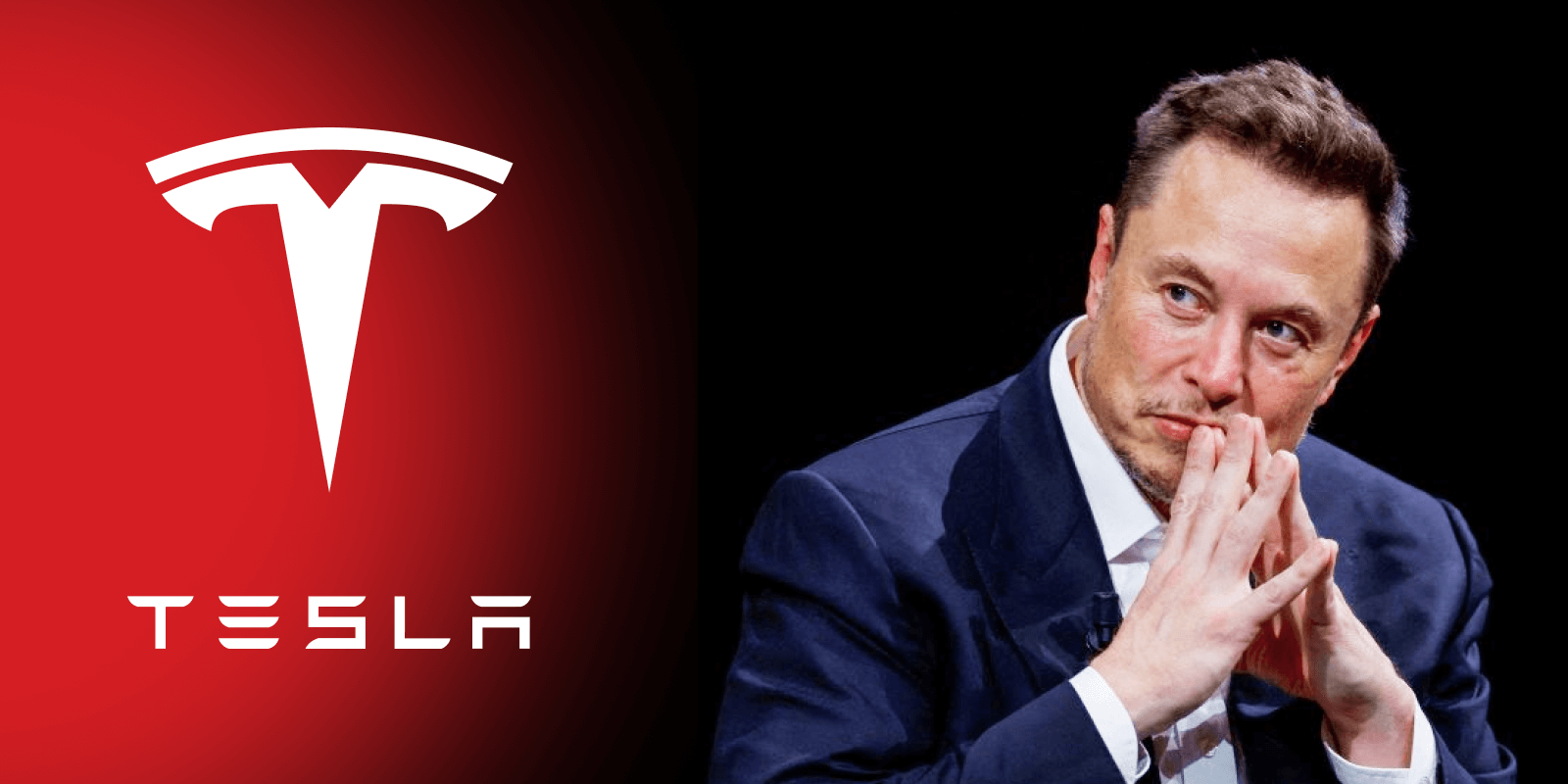
Musk has one of the most recognized personal brands on earth. He also demonstrates that strong doesn't mean universally effective. His brand is polarizing in a way that caps his market in certain categories. There are products he couldn't sell to half the country right now, regardless of quality.
What to copy (and avoid): Controversy builds an audience fast and limits it at the same time. Know which trade-off you're making.
The Pattern Every Strong Celebrity Personal Brand Shares
Strip away the fame and money, and the same structure shows up every time:
- Defined audience: they know exactly who they're talking to
- Repeatable message: same themes, different formats, year after year
- Time: most of these brands are 5–10+ years in the making before they became "overnight" successes
- Logical extensions: new ventures feel like the next step, not a detour
- Owned relationships: email lists, direct-to-consumer, channels they control
The pattern isn't talent. It's repetition. Every celebrity on this list said roughly the same thing, in roughly the same way, for years—until the market decided to pay attention.
What Business Owners Can Actually Use
Most people read a list like this and do nothing. Here's the practical version.
Your personal brand already exists. Right now, your clients and referral sources have a perception of you based on how you show up, how you communicate, and whether you do what you say you'll do. The question is whether you're managing that intentionally.
The mechanics are the same at any scale:
- Pick a lane. What's the one thing you want to be known for in your market?
- Show up consistently. Not viral—consistent. Same message, same platforms, same frequency.
- Build trust before you need it. The business owners who struggle the most with sales are the ones who only show up when they need clients.
- Make sure the backend matches the brand. This is where most small businesses fall apart.
That last point matters more than most people think. A personal brand that generates leads but has no system for following up, invoicing, or delivering consistently will erode the trust it took years to build. Rihanna didn't just put her name on Fenty. The product had to work. Your brand promise has to be something your operations can actually keep.
If you're still running your business on spreadsheets and sticky notes while trying to build a recognizable brand, the gap between your front-end positioning and your back-end reality will show up in client experience, and reputation is just client experience repeated over time.
FAQ
Which celebrity has the strongest personal brand?
Oprah Winfrey is widely considered the strongest example, built over 40+ years around a consistent message of empowerment and authenticity that has extended into television, publishing, film, and consumer products without losing coherence.
What makes a personal brand successful?
A successful personal brand requires a clearly defined audience, a consistent core message, and time. The most durable personal brands are built on a real position, a specific perspective or value, not just a visual identity.
Can a small business owner build a personal brand like a celebrity?
Yes, at smaller scale. A local contractor with 200 loyal followers who trust and refer them has a stronger personal brand than a TikToker with 50,000 disengaged viewers. The mechanics are identical. Only the audience size is different.
How long does it take to build a personal brand?
Most recognizable personal brands take 3–7 years of consistent effort before generating meaningful business results. Gary Vaynerchuk documented his work for years before VaynerMedia became a significant agency.
What's the difference between a personal brand and a business brand?
A personal brand is built around an individual's identity and expertise. A business brand is built around a company. They can overlap closely, Musk and Tesla, for example, but a personal brand can outlast any single business, making it a more durable long-term asset.
The Part Most Business Owners Skip
Reading about Oprah and Rihanna is useful. The part that actually changes outcomes is what happens after someone finds you: how you follow up, how you bill, how you deliver, and whether your systems match the reputation you're building.
The Unsexy Business Blueprint covers the operational side—billing, client management, pricing, and workflow—the systems that make your brand promise something you can consistently keep.
Visit unsexybusinessmen.com to check out The Unsexy Business Blueprint.